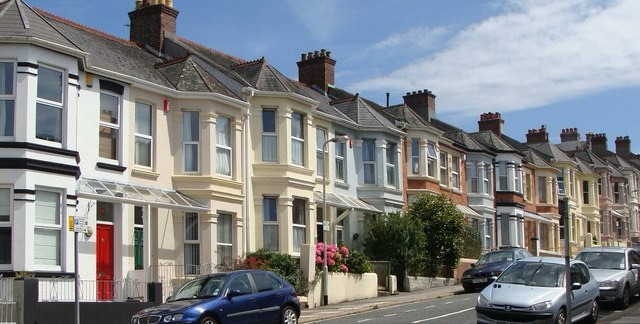
Affordability is a major source of debate among the echelons of UK society as of late, and in many ways it may be the the most pressing. The cost of living, accelerated by the fragile state of the world, has led to the ‘basics’ becoming unaffordable for a large number of people. Among food, water and shelter, housing appears to have the largest divide between asking price and the quality of the home. In short there is a housing crisis.
However the question remains, what is the source of this issue? Can it be purely put down to the economic uncertainty of the world? Or perhaps as Mr Farage states the consequence of uncontrolled immigration? Well the answer may lie in the simplicity of supply and demand.
According to the Centre for Policy Studies, the housing shortage is the worst in Europe, with only 440 homes per 1000 people. In order to remedy these issues and reinstate an equilibrium in the housing market, it is suggested that over 5.8 million homes would need to be built. This study concluded that the reason for this was primarily underbuilding, which can appear a confusing statement. For if there is such a desire for new homes, why do companies refuse to build more?
Firstly it should be stated that the reason housing is unaffordable is due to the lack of new homes in itself, the less the amount the greater the price. Furthermore, although immigration, landlords, lower real wages and lack of labour do play a role in the crisis, it is nothing compared to the need for new houses.
A large issue within the industry is companies buying up land, applying for planning permission and selling it on for profit. Therefore it can be more profitable to not build houses on land and instead horde it. Known as ‘Land banking’ the sale and resale of undeveloped land creates a vicious cycle where no new houses are built. The four biggest names in the industry: Berkeley, Barratt, Persimmon and Taylor, account for more than 450,000 of the 600,000 vacant plots. This made over 1.5 billion for their shareholders. (Source: Guardian article by Oliver Wainwright).
Each year it becomes more and more prevalent, as house prices continue to increase, as construction fails to match demand. Again the British public fall victim to the corporate greed that darkens our country. But in order to truly change the landscape of the housing crisis, to put it simply more homes need to be built. This cannot happen without intervention.
If the government chose to interfere on behalf of the public, and raise the tax on land banking, then perhaps we would see a shift in the market. Were the capitalists incentivised to produce new homes with a greater profit than that of preventing construction, then a new age would surely dawn for affordable housing. As of now, nothing has changed and housing will increasingly become unaffordable unless something can be done.







 Common Sense Journalism