
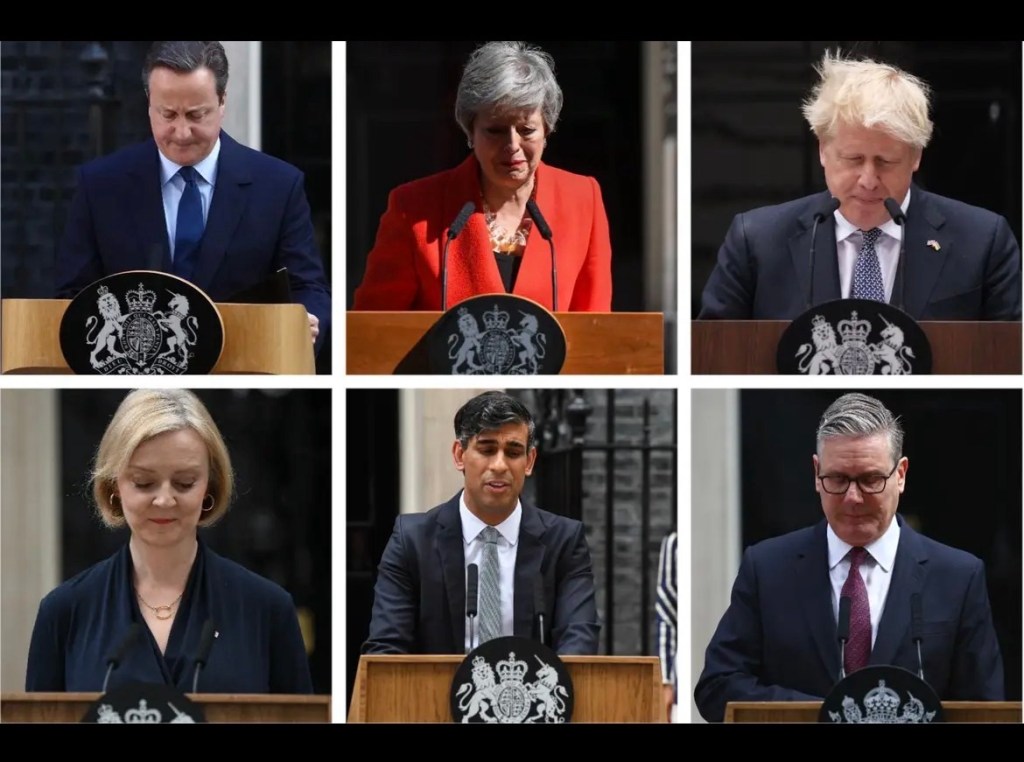
As of Monday, Andy Burnham has taken the mantle of Prime Minister, a position that recently has not been considered the safest job to hold. After meeting with the king and establishing a new government, Burnham set out his plans for a New Britain. This was alongside his new cabinet, that certainly benefited his allies. But what has he got in store?
Burnham is very much the working man’s politician. His appearance is informal, his language colloquial and he partially resembles the old guard politics of labour leader Harry Wilson. Very much in touch with the day-to-day life of the british people. His roots and loyalties in the north also stand as a resounding reminder that our politics has been very centralised in Westminster, and therefore not representative of everyone.
His first task was setting out his policies, which all in all are both logical and appealing. Yet as with all politicians, this can be very misleading to the reality of politics. Firstly he plans to end homelessness. A great and noble task, that very few people could argue against in principle. However where such a large sum will appear from is still uncertain. Secondly Burnham scrapped the Digital ID plan, which as an extremely disliked proposal will definitely earn him some early brownie points. That money will then be rerouted to subsidise electricity bills, which again is a positive step.
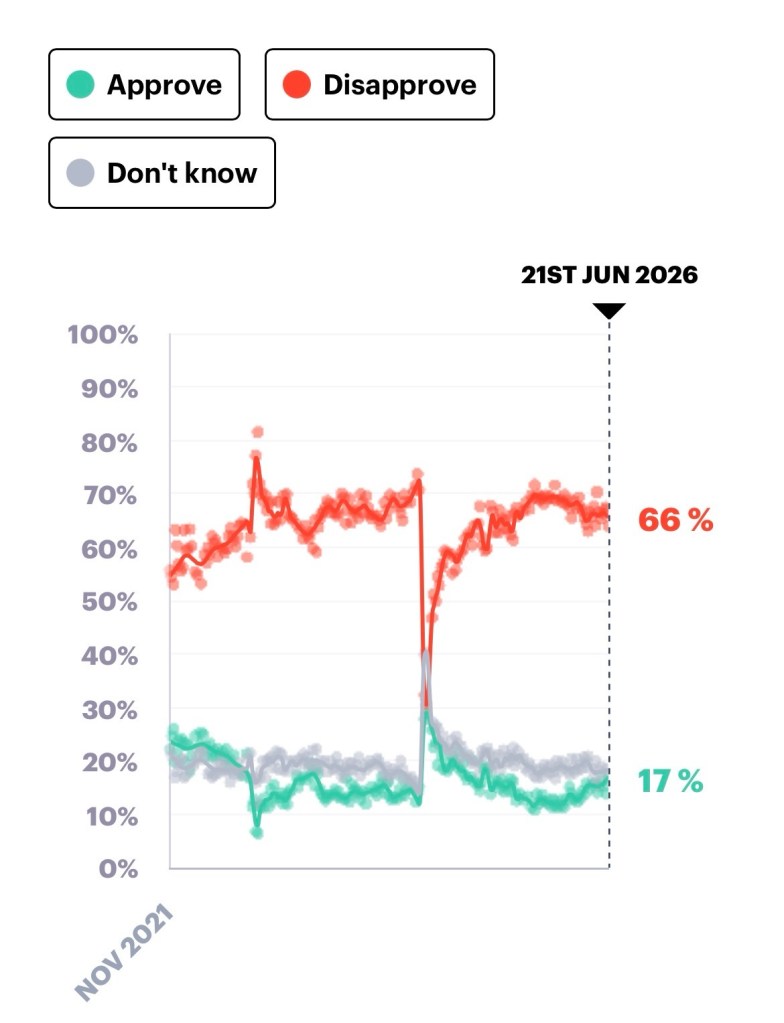
Burnham is in a position where the public are very much divided, split between the basic desires and needs that politics can provide with the extreme ideological demands on both sides of the spectrum. As his predecessor Sir Keir Starmer found out, doing well is not nearly important as staying popular. Therefore it is imperative for his policies to reflect the changing and volatile moods of the general public, for good or for worse.
He has also set out to nationalise Thames Valley Water, which is in financially dire straits. Although on the surface this a positive step in the right direction for the people, it also has its downsides. For example, if the shareholders who have been keeping the company afloat lose their interest, then the 2 billion deficit they find themselves with, will indeed be placed on the shoulders of the customers. Furthermore the shareholders have recently put forward their desire to stage a legal battle over ownership.
Finally one of Burnham’s last major plans is to increase the gas and oil drilling sites in the north sea, increasing energy and reducing prices for the long winter ahead. In practise this is a very beneficial aspect for the energy sector, yet equally not very positive for the net zero plan that the previous energy secretary Ed Miliband was going for. Funnily enough he was relocated in the cabinet under Burnham.
The most important factor about the application of these policies is that the Labour party has not fundamentally changed. The same MPs that forced Starmer out are now eagerly awaiting to see what their new leader will do for them. Yet if he fails to show short term results, I doubt that his united support base will stay united for long.
Burnham has only half a term left with a disillusioned public, to try and shape the face of Britain, with his so called ’10 year plan’. However, as we have learned, short term victories and public approval seem to be more important than actual long term change. On paper his priorities seem to be in the right place, but after the honeymoon period of his induction, will he be able to fulfil these high flying goals? Or will he fall short and be spat out by his own party and the rest of Britain. Only time can truly tell.
 Common Sense Journalism