Category: Uncategorised

  • To house the people: The real issues behind the growing housing crisis.

    To house the people: The real issues behind the growing housing crisis.

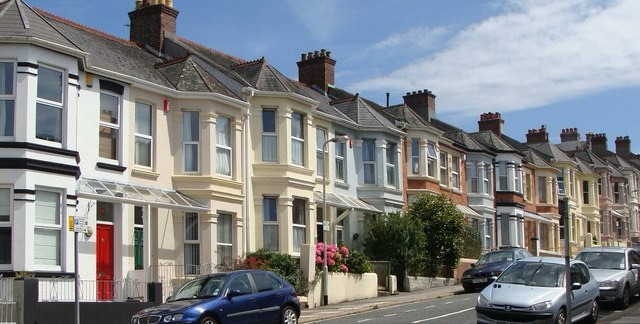
    Affordability is a major source of debate among the echelons of UK society as of late, and in many ways it may be the the most pressing. The cost of living, accelerated by the fragile state of the world, has led to the ‘basics’ becoming unaffordable for a large number of people. Among food, water and shelter, housing appears to have the largest divide between asking price and the quality of the home. In short there is a housing crisis.

    However the question remains, what is the source of this issue? Can it be purely put down to the economic uncertainty of the world? Or perhaps as Mr Farage states the consequence of uncontrolled immigration? Well the answer may lie in the simplicity of supply and demand.

    According to the Centre for Policy Studies, the housing shortage is the worst in Europe, with only 440 homes per 1000 people. In order to remedy these issues and reinstate an equilibrium in the housing market, it is suggested that over 5.8 million homes would need to be built. This study concluded that the reason for this was primarily underbuilding, which can appear a confusing statement. For if there is such a desire for new homes, why do companies refuse to build more?

    Firstly it should be stated that the reason housing is unaffordable is due to the lack of new homes in itself, the less the amount the greater the price. Furthermore, although immigration, landlords, lower real wages and lack of labour do play a role in the crisis, it is nothing compared to the need for new houses.

    A large issue within the industry is companies buying up land, applying for planning permission and selling it on for profit. Therefore it can be more profitable to not build houses on land and instead horde it. Known as ‘Land banking’ the sale and resale of undeveloped land creates a vicious cycle where no new houses are built. The four biggest names in the industry: Berkeley, Barratt, Persimmon and Taylor, account for more than 450,000 of the 600,000 vacant plots. This made over 1.5 billion for their shareholders. (Source: Guardian article by Oliver Wainwright).

    Each year it becomes more and more prevalent, as house prices continue to increase, as construction fails to match demand. Again the British public fall victim to the corporate greed that darkens our country. But in order to truly change the landscape of the housing crisis, to put it simply more homes need to be built. This cannot happen without intervention.

    If the government chose to interfere on behalf of the public, and raise the tax on land banking, then perhaps we would see a shift in the market. Were the capitalists incentivised to produce new homes with a greater profit than that of preventing construction, then a new age would surely dawn for affordable housing. As of now, nothing has changed and housing will increasingly become unaffordable unless something can be done.

  • The PM’s preliminary predicament: Are Andy Burnham’s policies revolutionary or just wishful thinking?

    The PM’s preliminary predicament: Are Andy Burnham’s policies revolutionary or just wishful thinking?

    As of Monday, Andy Burnham has taken the mantle of Prime Minister, a position that recently has not been considered the safest job to hold. After meeting with the king and establishing a new government, Burnham set out his plans for a New Britain. This was alongside his new cabinet, that certainly benefited his allies. But what has he got in store?

    Burnham is very much the working man’s politician. His appearance is informal, his language colloquial and he partially resembles the old guard politics of labour leader Harry Wilson. Very much in touch with the day-to-day life of the british people. His roots and loyalties in the north also stand as a resounding reminder that our politics has been very centralised in Westminster, and therefore not representative of everyone.

    His first task was setting out his policies, which all in all are both logical and appealing. Yet as with all politicians, this can be very misleading to the reality of politics. Firstly he plans to end homelessness. A great and noble task, that very few people could argue against in principle. However where such a large sum will appear from is still uncertain. Secondly Burnham scrapped the Digital ID plan, which as an extremely disliked proposal will definitely earn him some early brownie points. That money will then be rerouted to subsidise electricity bills, which again is a positive step.

    Burnham is in a position where the public are very much divided, split between the basic desires and needs that politics can provide with the extreme ideological demands on both sides of the spectrum. As his predecessor Sir Keir Starmer found out, doing well is not nearly important as staying popular. Therefore it is imperative for his policies to reflect the changing and volatile moods of the general public, for good or for worse.

    He has also set out to nationalise Thames Valley Water, which is in financially dire straits. Although on the surface this a positive step in the right direction for the people, it also has its downsides. For example, if the shareholders who have been keeping the company afloat lose their interest, then the 2 billion deficit they find themselves with, will indeed be placed on the shoulders of the customers. Furthermore the shareholders have recently put forward their desire to stage a legal battle over ownership.

    Finally one of Burnham’s last major plans is to increase the gas and oil drilling sites in the north sea, increasing energy and reducing prices for the long winter ahead. In practise this is a very beneficial aspect for the energy sector, yet equally not very positive for the net zero plan that the previous energy secretary Ed Miliband was going for. Funnily enough he was relocated in the cabinet under Burnham.

    The most important factor about the application of these policies is that the Labour party has not fundamentally changed. The same MPs that forced Starmer out are now eagerly awaiting to see what their new leader will do for them. Yet if he fails to show short term results, I doubt that his united support base will stay united for long.

    Burnham has only half a term left with a disillusioned public, to try and shape the face of Britain, with his so called ’10 year plan’. However, as we have learned, short term victories and public approval seem to be more important than actual long term change. On paper his priorities seem to be in the right place, but after the honeymoon period of his induction, will he be able to fulfil these high flying goals? Or will he fall short and be spat out by his own party and the rest of Britain. Only time can truly tell.

  • The satirisation of British politics: Does humour benefit our elections?

    The satirisation of British politics: Does humour benefit our elections?

    Satire has been a major aspect of modern british politics ever since the 17th century, with satirical cartoons and books. In the 1960s it exploded through the medium of television, and since has become a landmark of our political scene. Undoubtedly it has its benefits in exposing and keeping our politicans in check, but does it have any real benefits in terms of political decisions, or are we the laughing stock of modern democracy?

    Satrical comedy itself is a major form of political criticism, but with the rise of ‘joke’ candidates, running for both council and general elections, the idea of satirical figures has become a point of discussion. The most recent example is of course Count Binface, a man dressed as a bin. At first sight it is a mockery of the state of our politics, where a bin can run for an elected position. However it is far more important to the nature of Britain than it first appears.

    Recently in a manoeuvre to avoid the consequences of a parlimentary probe into his undisclosed donations, Nigel Farage resigned his seat as MP for Clacton-on-sea. In his words he described the by-election as ‘the people versus the establishment’, an attempt to bypass a potential suspension and regain the trust of his constiuents. Yet, the other major parties refused to be drawn into his escapade.

    Therefore with Farage running for a seat, against no real candidates, the satirical figures of British politics emerged to fight back. Figures like Count Binface and The human fox as well as the Monster Raving Loony Party are all set to stand against Farage in the upcoming election. As a result Farage has been put in a position where even winning would damage his reputation.

    Therefore the question comes to light, is this a good thing for our politics? Well either argument has a valid basis, whether you believe that politicans who wish to make a mockery of the institutions of government should be held accountable, or if politics should remain a serious and respected aspect of our country.

    However, it is clear that politics has become a very toxic point of discussion as division over alignment becomes more paramount. Perhaps adding humour to a sometimes dire or distressing state of the world, brings back some joy to a serious occasion.

    Furthermore, although these figures are running mostly to take the spotlight away from Farage, and to question the legitmacy of many of the grey areas within politics, it is apparent that some of them are not as unserious as they seem. Count Binface for example, aka Jonathan Harvey, is a political comedian who studied at oxford university, and has highlighted his wit and nuance through interviews. Therefore, he is not just a source of humour in this election, but a serious pointer to the issues we face in our current time.

    If a man dressed as a bin can sound more appealing than a serious political figure, is it time to start addressing the reasons why?

  • Survival of the Fittest: Why is there such a high rate of government disapproval in the UK?

    Survival of the Fittest: Why is there such a high rate of government disapproval in the UK?

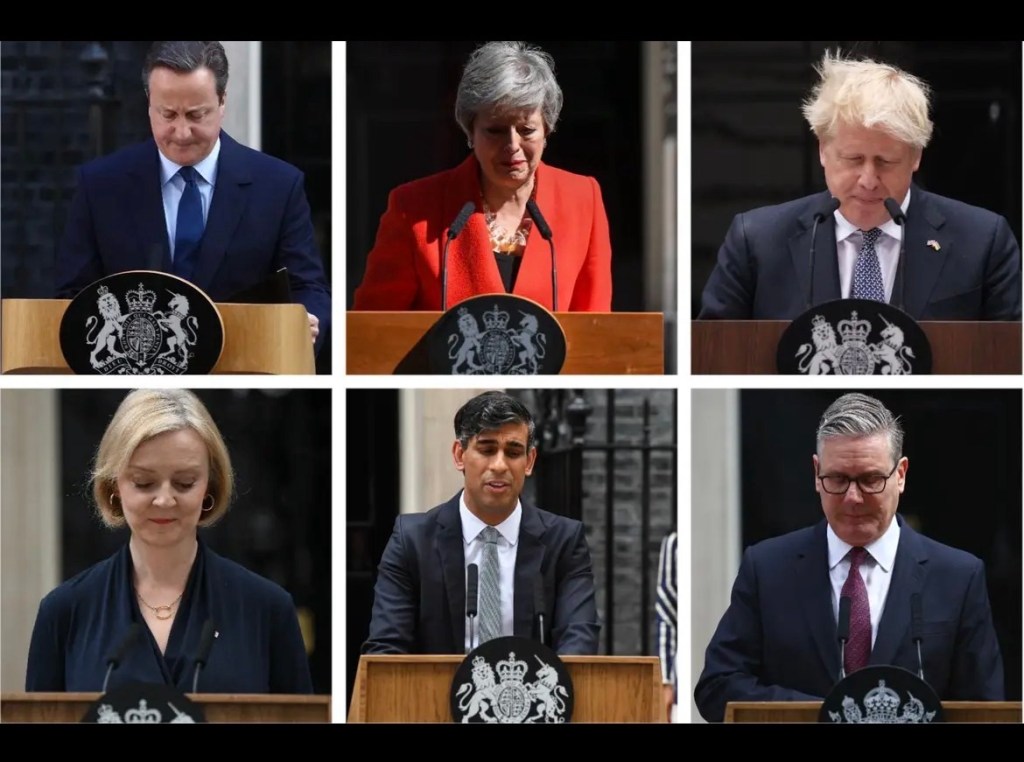
    Since Starmer’s resignation last week, we have reached 6 resignations of UK prime ministers in the last 10 years. Andy Burnham is now looking to take up the poisoned chalice of leadership, but will it change anything? It is clear that there is an underlying disapproval of the government, irrelevant of party policy, that is making it difficult to stay in power for very long.

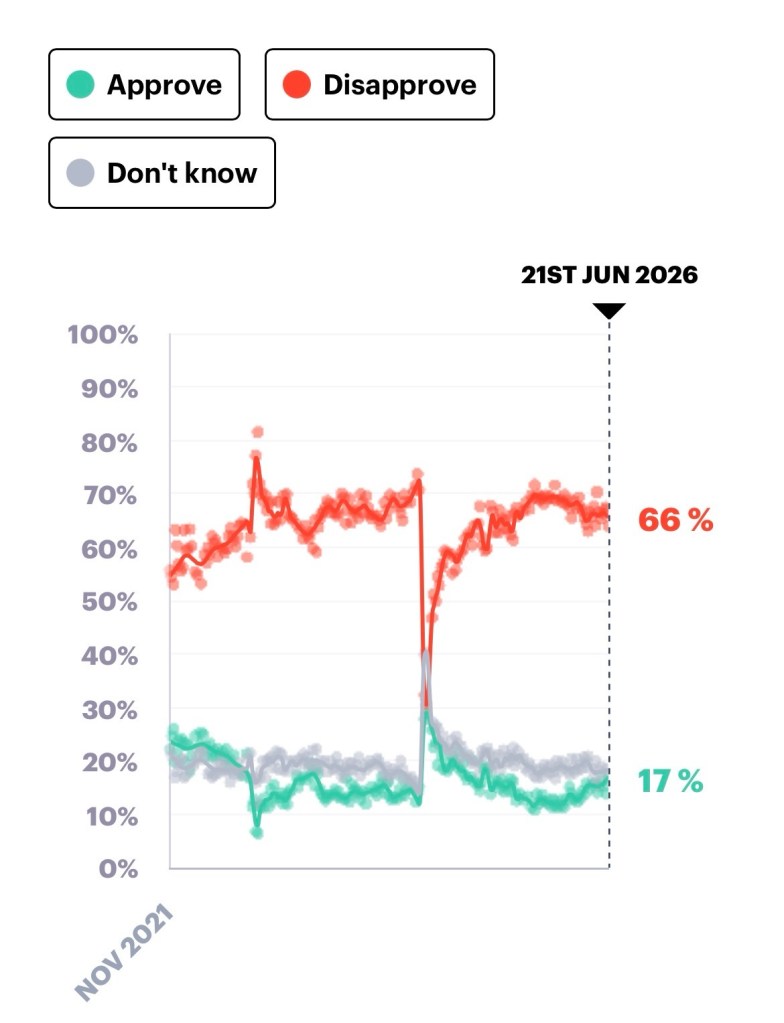
    If we look at the actual statistics for this issue, it reveals a clear pattern. According to YouGov’s ongoing poll around governmental approval rates, for the last 15 years approval of the government has only overtaken dissaproval once, for three months. This is a harrowing statistic, if taken at face value. It states that the UK public has generally not been happy with the government for over 15 years. But is there more to this than meets the eye?

    If we start to look at the more recent statistical analysis from You Gov, we see a different story emerge. The intitial spike in the centre indicates the election of our current labour government, where approval neither positive or negative. The electorate was waiting to see what the government would do. However we begin to see a curving increase in disapproval over the first two years. Why?

    Screenshot

    This example shows us that, short term results have become a necessity for approval ratings. As we have seen with Starmer, Sunak, Truss, Johnson and May. Each had a plan to improve existing infrastructure or set out new ideas, however they were not quick enough. The curve highlights that in a short period of time, results are expected, and not until they are given enough time for ideas to be implemented, tested and visibly seen, does the mood begin to shift. But in this example, for Starmer, it was too little too late.

    So what does this show us about UK politics? I think for one thing it is clear that we are a very judgemental country. We expect the world to be given to us, and we expect it as fast as possible. As is our right, we hold our government accountable when they fail to deliver. But perhaps we should at least let them try first. For politics has become more about keeping power rather than utilising it.

    Andy Burnham is now up next for the main role, which if as predicted will most likely take the same shape as his predecessors. Failure to show short term results, and then either resignation or loss at a general election. It appears we have entered a vicious and toxic cycle of politics in recent years. Lets hope that PM’s are given more room and time to deliver their ideas before we are so quick to judge.

  • Performative Politics: Trump’s pageantry in office.

    Performative Politics: Trump’s pageantry in office.

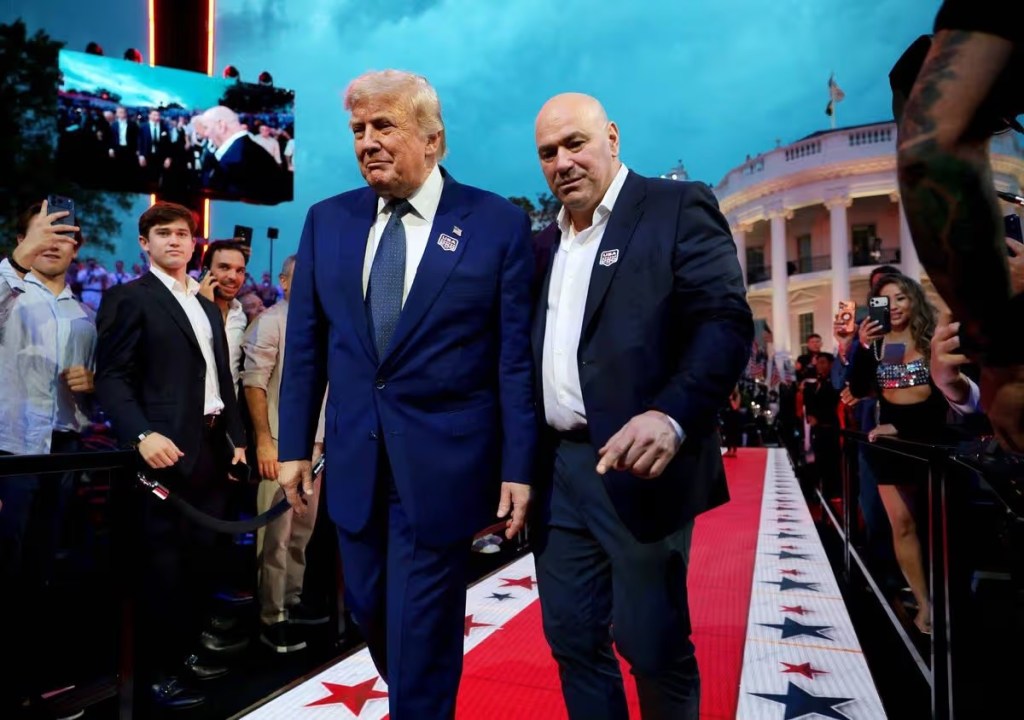
    Yesterday the UFC held its 250th event at the white house, to commemorate 250 years since the founding of America, but also for Donald Trump’s birthday. It is not uncommon to see leaders of the world hold events in celebration of history and great achievements. However the celebration of one’s own birthday, partially funded by taxpayers money, is more akin to North Korea and Kim Jong Un .

    Trump is well known around the world as a divisive figure, constantly poking the boundaries of what he feasibly can get away with. However beyond the actual policies of his government, to which I shall not comment, there appears a peculiar case of pageantry. This is highlighted by the recent UFC event.

    By covering Trump for his recent term, many small factors have to come to light that appear closer to personal narcissism. The huge events, the parades, the statues, the name changes. They all are done with Trump’s image in mind. For him he wishes to represent himself as not just the president, but the best president to ever hold office.

    Although this is seperate from actual policy making, it does still hold infulence. Trump’s obsession with appearance bleeds into his decision making. Tariffs, international bullying and his attacking tweets. All of these are factors of strong manning, where an individual attempts to appear more masculine to force through ideas or plans.

    In many cases, alot of Trump’s policies rely on appearing successful rather than actually working. Short term success in all of his plans is key, which can be paraded around and weaponised against doubters. The Executive orders are the primary example. Signing his name on a piece of paper, as if that can instantly change the functionality of society. They appear as instant success and progress, yet the reality is very different.

    Many of his orders do not actually get implemented. They are either too ambitious, blocked by congress or just downright irresponsibly daft. Yet they appear to be instant and effective.

    Trump’s personality and ambition pools into a giant performance. Similiar to Stalin’s Gigantomania, and love all things superfluously large, Trump is all about the bigger, the better. As well all know, the bigger something appears, the weaker the foundations truly are.

    Therefore the UFC event, which has caused alot of outrage due to it’s public display of wealth and elitism, is but a symptom of a larger issue. Trump performs his position, and often tends to exaggerate many of his statements. Creating uncertainty around if he should be in the most powerful position in the world.

  • The far-right’s weaponisation of tragedy

    The far-right’s weaponisation of tragedy

    As with all British politics, any major events or shocking tragedies reflect poorly on those in government. Outside of the grieving and the pain caused to local communities and families, these events have a direct effect on politics. For example after the 7th July terrorist attack in London, Tony Blair was forced to introduce the 2006 Terrorism act. As a leader of a country you are held responsible for tragedy. However, what happens when a tragic event, is used to promote and evidence a political belief or manipulated against a political rival?

    Murders, violent attacks and hatred is a daily occurence not just in the UK but around the world. It has become engrained and defined a feature of human nature. However certain incidents stand out. For the Far-Right, any violent attack from a person of colour, an immigrant or someone who is different from themselves, becomes an oppurtunity to utilise.

    That is not to say that these crimes are not horrific, nor is it to deny that action should be taken against violence on our streets. However the problem is criminals commiting crimes, not their race, ethnicity or religious choices. There is a very clear distinction between the two. Which Far-Right indviduals tend to blur.

    For example with the recent murder of university student Henry Nowak. An awful and preventable tragedy. Yet the riots that emerged were against Starmer, the Labour government, policing and immigration. That is not a memorial. It is the manipulation of someone’s death to be used as a political tool for violence. Those rioters, some of who included neo-nazis and white nationalists, caused thousands of pounds worth of damage to Southampton, their own city. That is the issue.

    Equally the other day, a man in Belfast was brutally attacked by a sudanese man. However the fact that he is sudanese is virtually irrelevant to the case. He was a criminal commiting a crime. What followed was violent attacks on family homes, and innocent people. How can we as a country condone attacks on families as defending rights and standing up for justice?

    It becomes apparent that certain groups and indviduals, prey upon the pain and grief of these tragedies. Manipulating it as evidence of uncontrolled immigration or poor political choices. The colour of someones skin cannot and should not be used as an indicator for a whole group.

    The catalyst of these responses comes in the form of its leaders. Both Nigel Farage and Tommy Robinson have both directly and indirectly called for protests and anger in response to events such as these. Anger in a place full of pain does no good deed. If anything it increases the volatility of the situation and makes immigrants and POCs targets for hate crimes.

    In these times of sorrow and mourning, after violent and cruel attacks, weaponising the victims and the perpertrators as examples of political failings and cultural change, is extremely harmful. Not only to the families of those who have lost loved ones, but the innocent people who make our country a better place to live in. They should not be used to promote ones political views on immigration. Criminality is individual not a representation of a whole group of people.

  • For the People?: The disparity between politics and the public

    For the People?: The disparity between politics and the public

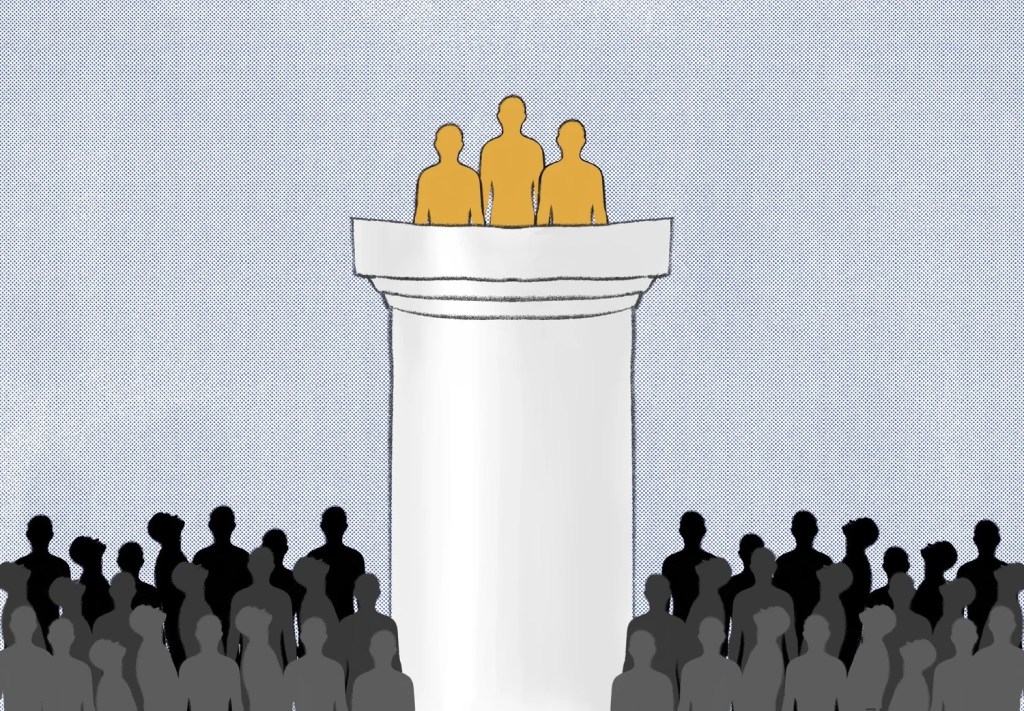
    Political representation has always been the foundation of modern democracy. In theory there should be a party that represents every base of political thought and belief. However the reality is far from that. Logically no one’s personal political beliefs will align perfectly with any one party. Yet if a large portion of the population do not feel represented by any party, is our democracy flawed?

    In a study before the previous general election in 2023 the organisation, UK In A Changing Europe, found that 31% or nearly a third of the UK public did not feel represented by any party. Those interviewed stated that they felt there was no point in voting, because nothing changes and they belived their vote was not significant.

    Disillusionment between politics and the public creates a rift between the average voter and those chosen to govern the country. If public trust fails to lie in the government, then their power is obselete. That is not to say that this is the case, as it is still a miniority among the British public, however it does bring to light a range of interesting questions about why people feel under represented.

    The trust in democracy and the UK political system itself is still strong, however it is the distrust in politicians that is a large portion of the grievance. The electoral commission in 2024 noted that only 10% of their subjects said they trusted politicians. This result mirrors the growing discontent around the reliability of the UK’s leaders. The connotations of scandals and politicians have become engrained in British Culture, and as it stands to reason, a major factor for why many feel under-represented. These politicians don’t act like them.

    Furthermore the trends of these surveys show that there was a large feeling of no representation among the right of UK politics. This can be explained by the recent rise of far-right parties and ideologies, that claim to represent the marginlised British voters. Therefore if there is a disconnection between the mainstream parties and the electoral base, more extreme or niche parties begin to emerge. They attempt to cater to groups who feel isolated by the establishment.

    This is encapsulated by a study by the electoral commission highlighting a massive disparity in a desire for strong leadership, among conservatives and Reform compared to Labour or Greens. it makes logical sense, therefore that if a government follows a line of policies that do not align with the individual, they will search for alternatives. However, the alternatives may not be any better.

    We cannot know how truly represented people feel in relation to politics, as each individual differs on each individual policy. However there is clearly a division between politicians and the people they represent. These ideas of elitism and being ‘out of touch’ have become synonymous with UK politics. Many feel that politics no longer represents them and that politicians no longer represent the people. It is clear democracy is still intact, yet the division between those in power and those they serve continues to grow.

  • Fear Sells: The monopolisation of fear in the modern media

    Fear Sells: The monopolisation of fear in the modern media

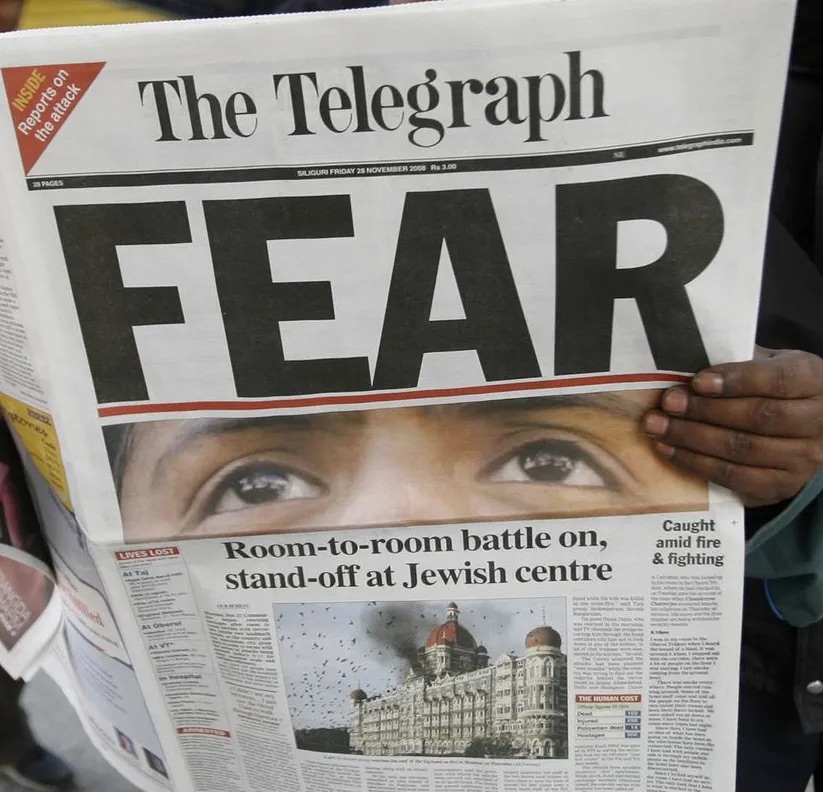
    Since the start of newspapers in the 17th century, news has become a staple of modern life. Always connected, always informed. The difference today is speed, for which we can access global news within a click of a button. We can see the wars across the globe, the constant pandemics and peril that faces humanity. Yet why is it always so bleak? The answer, as do most things, lies in money.

    For the media, money is the sole purpose. It is no different from any other large conglomerate and therefore should not be seen any differently. People wish to be informed on the world’s events and will always interact with news. However fear exponentially increases engagement, and engagement provides money.

    The Media itself has never changed, creating a sense of panic has always created greater interest. Yet the modern forms of media, provided by the internet, allows for 24/7 coverage. The wave of impending bad news never ends, nor does the interest.

    In recent years this has become more apparent as a method of sustainability for the media. More and more of the public have become disillusioned with how the Media represents itself and it’s underlying motivations. The active choice to cover some stories while avoiding others has put the Media in hot water. Therefore with a declining support base, fear is the one factor that keeps them afloat.

    The stories of joy, hope and human resilience are present, they do well in the court of public opinion. But, too much positivity becomes obsolete compared to the engagement of anxiety. Therefore, the majority of stories are on war, famine and the never ending cycle of political scandals. That is what sells best.

    This constant barrage of negativity is extremely draining, for all those who read the news regularly. Trump with another pointless war threat, the cost of living in the UK, murders, poverty, terror attacks, genocide. However its equally addicting. To stay connected is to be present, to be a member of the human race, and to know of the world is the purest form of social connectivity.

    Perhaps the news should focus on the positive events of the world. But it would not be as profitable for those who own the Media, so will never come to fruition.

    My belief is that the Media, is extremely beneficial for it’s role. To educate, to connect and to inform. But it does not represent the world. It shows a dangerous and divided globe, one of pain and struggle. Reality is far more diverse. There is happiness, love and empathy beyond the fearmongering of the papers. Therefore the Media profits from fear, and we the people can profit by taking news as what it is. A business.

  • Brexit or Brejoin: The causes, consequences and future of Britain’s relationship with the EU.

    Brexit or Brejoin: The causes, consequences and future of Britain’s relationship with the EU.

    In 2020 Britain left the European Union, and removed itself from the economic and political hub of the European mainland. Brexit itself caused a division within the country, as only 51% had voted to leave in 2016. The propaganda and misinformation that overshadowed the vote, led to a confused and poorly planned election. The effects have been tremendous. Only in hind sight did the British public realise they had been swindled, but why did it happen and what should the future choice be?

    The two main causes of Brexit were misinformation and the electoral base. Primarily the government and other politicians facilitated the choice in the first place. Prime Minister David Cameron chose to call a vote as he was under political pressure, and he had wildly assumed that the British public were well versed in the complexities of international affairs. They were not. This allowed fearmongering and scapegoating, suggesting that the EU was a direct threat to British Sovereignty and that independence would provide us the tools to improve our economy and reduce immigration. However these were never feasible outcomes.

    On the surface the EU provided trade links and free movement, in exchange for huge fees and detrimental laws. However the intrinsic nature of international communities, is never that simple. Even for those who are well versed in international politics, the EU is a complex and expansive body, not one that can be understood through simplistic terms. Therefore to allow any voter base to tackle such an insurmountable question, was reckless. A choice for which Cameron forever bares the consequences.

    This leads on to the electoral base itself, those who were given the power and responsibility to Influence the future of Britain’s European relationship. The journal ‘Economic Policy’, in 2017, conducted a survey on the demographics of the election from which we base this argument. Those from poorer economic backgrounds with fewer qualifications were more likely to vote leave, influenced by the political propaganda machine. This was founded on the belief that leaving the EU would increase job opportunities and improve the cost of living. Another major demographic group was the elderly, who wished to return to socially conservative values, ones that the EU were modernising against. These were encompassed by the overarching theme of white votes, who the majority of voted to leave.

    These demographic patterns can be summarised by Thomas Sampson, “Voting to leave the European Union was strongly associated with holding socially conservative political beliefs, opposing cosmopolitanism, and thinking life in Britain is getting worse.” (Sampson, Thomas (2017). “Brexit: The Economics of International Disintegration)

    Overall it is clear that a clear association was made between personal and local issues, with a wider European blame. Many of those that did vote leave, either have passed on and cannot experience the consequences, or regret their decision after seeing the negative effects of the Referendum. Yet the question remains, what comes next?

    In recent years, the temptation of re-joining the EU has become increasingly appealing. The benefits of the EU are now more apparent than ever, as we are actively missing out on them. However, the Referendum divided the country, and no Prime minister or Government would willingly re-join without the political benefits of doing so. Although it would be divisive even today, it would be a fairly easy endeavour to take our place back in the international community.

    The conversation around the descent into federalism, and the potential loss of Sovereignty, takes away from the truth of the situation. We as a nation made a mistake. Could we have done it differently? Absolutely. Yet the past is the past and we must progress nonetheless. The EU will never take our culture nor our independence, and it is time that Britain realises that it is no longer an empire and does in fact need allies. For the benefit of all her citizens and for the rest of Europe.

  • Stigma around politics: Why marginalising the Far-Right increases extremism

    Stigma around politics: Why marginalising the Far-Right increases extremism

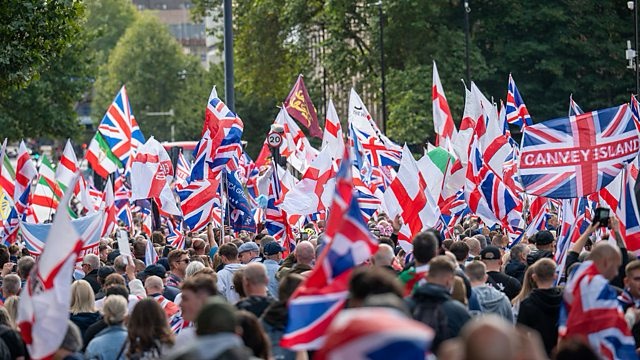
    Recently there was another Tommy Robinson led anti-immigration march in the UK. What banner they say they march under, is very different from the reality of the protest. The supporters of Robinson, and other Far-Right figures, all have different motivations and reasons for going to such an event. The issue is, not what these supporters say or advocate, but the responses to this. Which the majority of the time is negative and demeaning.

    The point of this article is to express that Far-Right beliefs have always exsisted in a miniority, yet the reason they become mainstream sources are because of societies’ marganlisation of their views.

    A range of views became apparent within these groups, some believe immigration is draining the economy, some believe that politicians have let them down, and some are indeed racist. The question arises, how can such a diverse collection of ideas all accumulate into hate towards immigrants? and by condmening and isolating these people, will it change their attitiude towards extreme beliefs?

    The underlying reasoning plays a large part in attempting to answer these questions, and to an extent some overgeneralisations must be made to supplement the argument. These factors include, under education, poor economic backgrounds, cultural and family traditions and misinformation. These factors all feed into the support base for the Far-Right, positioning a singular and relatively minor problem, as the sole cause of all their personal issues.

    Yet how can those who are educated, judge others who are not so? The ability to make sound and reasonable political judgement stems from research, education and interaction with opposing beliefs. Many people have not been provided such a privilege. Therefore they are susceptible to misinformantion, fearmongering and the attractiveness of hate.

    In my opinon, the followers of Far-Right doctrine are for the most part normal people, who have been abandonded by the system, destined to shift towards extremism. That is not to say that evil does not exist within these groups, but those who are there, in regard for personal reasons, should not be shunned by society.

    They do not know any better.

    It is for this reason, that I believe that the stigma against Far-Right supporters, pushes them further into extremism. When faced with a group that provides them answers, and a group that blames them for their circumstances, it becomes clear how extreme views garner mainstream support.

    The solution is simple; empathy. Not to judge by their words, but to try and think how they think, to understand why they say what they say. Only then can we begin to re-educate, to teach others, and to rebuild a truly United Kingdom. Isolating a volatile and abandoned group, makes them only more volatile and abandoned. The solution to ending Far-Right extremism, is to see them as people.